Yongyi Refractory × Yuanjiang Yongfa: Defying Frequent Start-Stops, High Thermal Shock Resistant Refractories Safeguarding Cement Kiln Stability
Client: Yuanjiang Yongfa Cement
Industry: Cement Manufacturing (Dry Process Cement Production Line)
Services Provided: Supply of High Thermal Shock Resistant Specialty Refractories and Dynamic Expansion Joint Management Construction Services
Project Background: Yuanjiang Yongfa Cement is a highly competitive building materials enterprise in Yunnan Province. In recent years, with the deepening of industry environmental policies, “peak-shifting production” (off-peak production) has become the norm, requiring cement rotary kilns to adapt to phased shutdowns and restarts. However, facing this discontinuous production rhythm, the original refractory lining suffered severe cracking and spalling due to its inability to withstand frequent, drastic temperature changes, massively increasing unplanned maintenance costs. To fundamentally resolve this chronic issue, Yuanjiang Yongfa brought in Yongyi as their comprehensive refractory material and construction solution provider for the core kiln upgrade.
Project Challenges: “Frequent start-stops” of a rotary kiln are the primary nemesis of refractory materials. During the repeated cycles of heating up during start-up and cooling down during shutdown (thermal shock cycling), immense thermal stress builds up inside the bricks. When this stress exceeds the material’s structural strength, it leads to large-scale “thermal spalling” or brick fracture. Furthermore, frequent expansion and contraction impose extreme dynamic adaptation requirements on the deformation of the kiln’s steel shell and the expansion joints reserved during masonry. The client urgently needed a kiln lining solution with exceptional “flexibility” and thermal shock stability.
Yongyi’s Solution:
Premium Product Supply (High-Flexibility Structure, Ultimate Thermal Shock Resistance): Targeting the harsh conditions of frequent start-stops, Yongyi’s technical team matched Yuanjiang Yongfa with refractory materials featuring “high flexibility and anti-spalling” characteristics. For the transition zone, which experiences the most severe thermal shock, we selected new-generation premium silica-mullite red bricks (incorporating a special andalusite phase). Utilizing their micro-expansion properties at high temperatures and excellent network structure, we dramatically enhanced the material’s ability to absorb thermal stress, achieving over a hundred water-cooling thermal shock cycles without fracturing. For the burning zone, we deployed premium magnesia-alumina spinel bricks with outstanding structural toughness, effectively preventing the hidden danger of the brick surface being torn off when the kiln coating sheds during the shutdown and cooling phase.
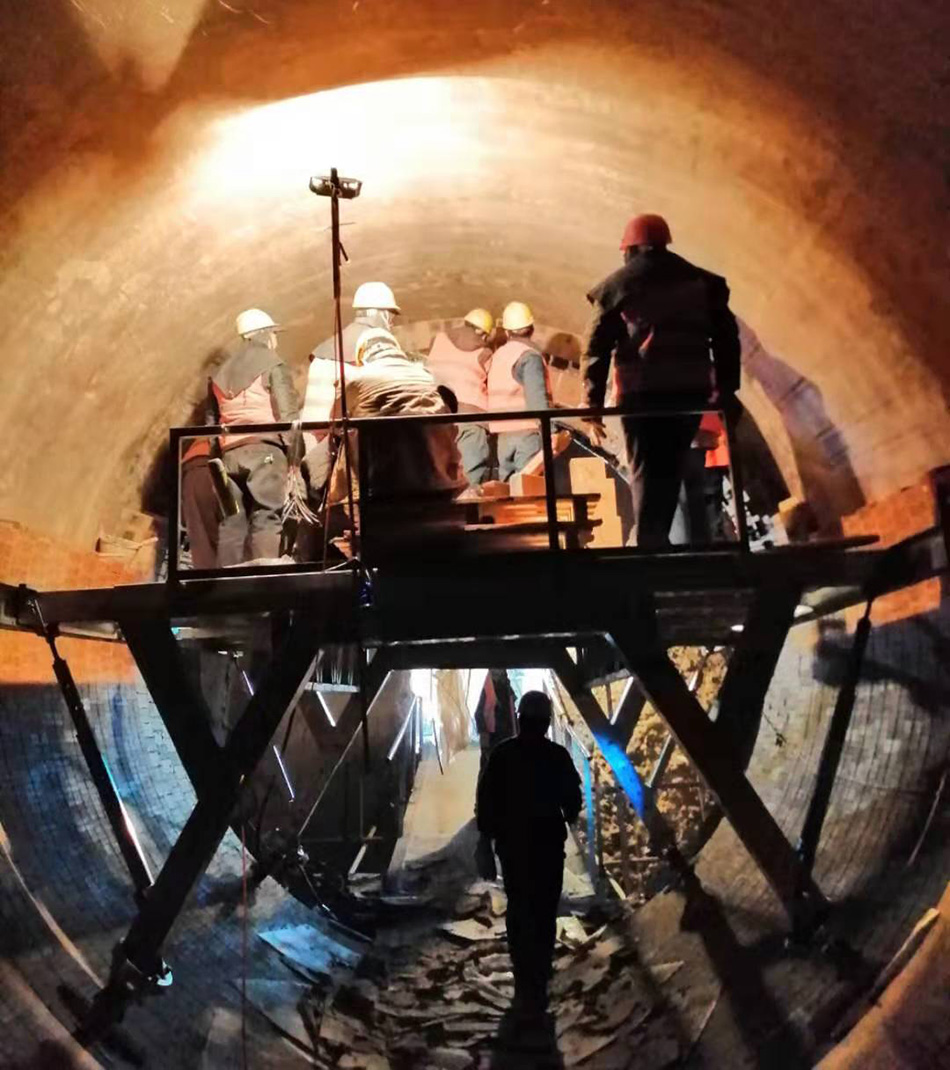
Professional Construction Services (Dynamic Expansion Joint Reservation and Flexible Lock-Brick Craftsmanship): Facing a frequently expanding and contracting kiln shell, Yongyi’s senior furnace masonry team introduced the concept of “dynamic expansion joint management” during the construction phase. We strictly reserved circumferential and axial expansion joints according to calculated parameters and filled them with high-quality compressible refractory fiber felts. This ensured the brick rings had sufficient expansion space during heating while remaining tightly fitted during cooling. During the lock-brick phase, our technicians employed meticulous dry-laying, grinding, and steel plate adjustment techniques, ensuring each ring of refractory bricks formed a solid, self-locking structure, completely eliminating the risk of loosened brick rings caused by frequent start-stops.
Customer Value & Results: Following the implementation of Yongyi’s high thermal shock resistant refractory solution and professional masonry services, Yuanjiang Yongfa Cement’s production line has perfectly adapted to the rhythm of “peak-shifting production.” After enduring the severe thermal shock tests of multiple planned shutdowns and restarts, the surface of the refractory bricks in the transition and burning zones remains as smooth as new, with no obvious cracking or spalling phenomena. This has not only completely eradicated kiln shutdown incidents caused by refractory spalling and drastically reduced refractory consumption per ton of clinker, but also provided the client with a rock-solid safety guarantee for flexible production scheduling and highly efficient operations.