Low Cement and Ultra-Low Cement Castables
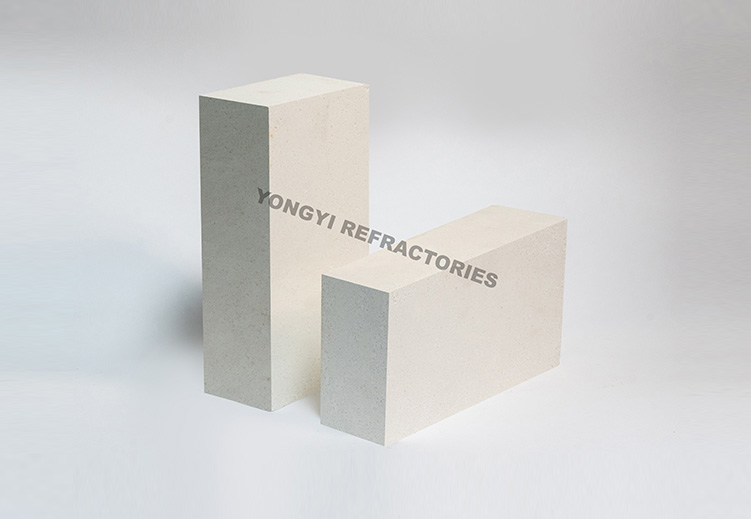
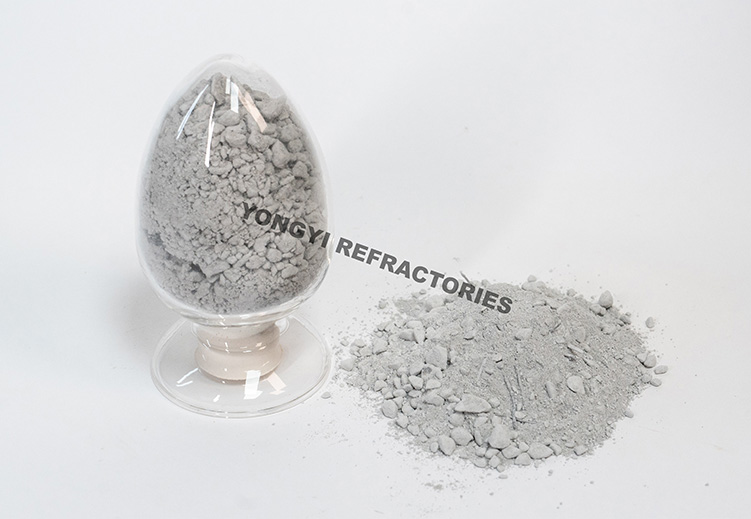
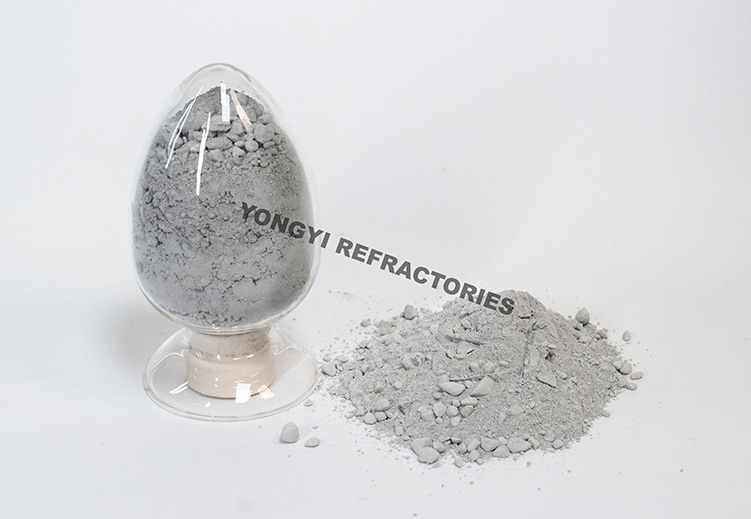
Low and ultra-low cement castables feature small pore size, high density, good volume stability, high strength, and low water addition. They overcome the characteristic of significant strength reduction of ordinary castables at 800~1200℃; instead, their strength increases with rising temperature. They possess excellent thermal shock resistance, slag resistance, and corrosion resistance.
Send Message WhatsApp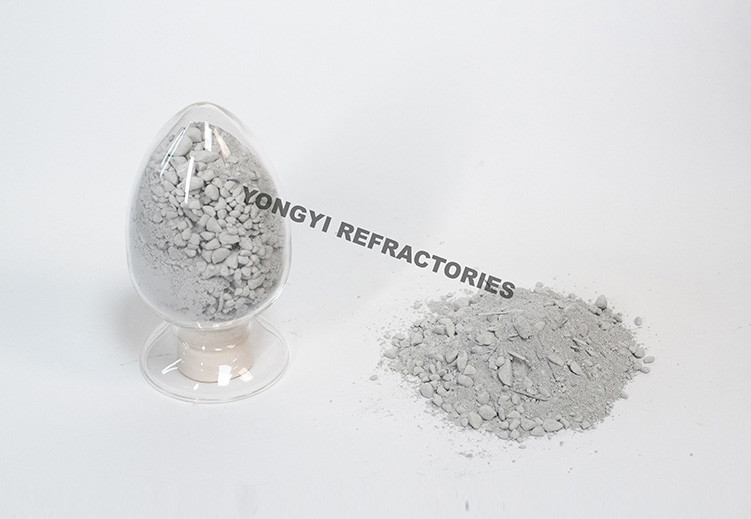
Physical and Chemical Indicators
|
Item |
Clay-based |
High Alumina |
Corundum-based |
|
|
Al₂O₃ (%) |
≥ 45 |
≥ 75 |
≥ 98 |
|
|
CaO (%) |
< 1.8 |
< 1.5 |
< 1.0 |
|
|
Bulk Density (g/cm³) |
110℃×24h |
≥ 2.3 |
≥ 2.6 |
≥ 3.1 |
|
Bulk Density (g/cm³) |
1350℃×3h |
≥ 2.26 |
≥ 2.61 |
/ |
|
Bulk Density (g/cm³) |
1550℃×3h |
/ |
/ |
≥ 3.00 |
|
Cold Crushing Strength (MPa) |
110℃×24h |
≥ 70 |
≥ 75 |
≥ 85 |
|
Cold Crushing Strength (MPa) |
1350℃×3h |
≥ 85 |
≥ 90 |
/ |
|
Cold Crushing Strength (MPa) |
1550℃×3h |
/ |
/ |
≥ 100 |
|
Cold Modulus of Rupture (MPa) |
110℃×24h |
≥ 6 |
≥ 8 |
≥ 9 |
|
Cold Modulus of Rupture (MPa) |
1350℃×3h |
≥ 8 |
≥ 9 |
/ |
|
Cold Modulus of Rupture (MPa) |
1550℃×3h |
/ |
/ |
≥ 11 |
|
Permanent Linear Change (%) |
1000℃×3h |
-0.3 |
-0.2 |
-0.2 |
|
Permanent Linear Change (%) |
1350℃×3h |
± 0.3 |
± 0.5 |
/ |
|
Permanent Linear Change (%) |
1550℃×3h |
/ |
/ |
± 0.5 |
|
Max Operating Temperature (℃) |
1450 |
1600 |
1800 |
|
Phosphate Bonded Castables
Compared with calcium aluminate cement bonded castables, phosphate bonded castables have better cold crushing strength and thermal shock resistance.
Send Message WhatsAppPhysical and Chemical Indicators
|
Item |
Clay-based |
High Alumina 1 |
High Alumina 2 |
|
|
Al₂O₃ (%) |
≥ 45 |
≥ 60 |
≥ 75 |
|
|
Bulk Density (g/cm³) at 110℃×24h |
≥ 2.23 |
≥ 2.34 |
≥ 2.60 |
|
|
Cold Crushing Strength (MPa) |
110℃×24h |
≥ 26 |
≥ 28 |
≥ 34 |
|
Cold Crushing Strength (MPa) |
1400℃×3h |
≥ 32 |
≥ 31 |
≥ 41 |
|
Thermal Shock Resistance (Cycles, 800℃ water cooling) |
≥ 50 |
≥ 50 |
≥ 50 |
|
Alumina Silicon Carbide Carbon Castables
Alumina silicon carbide carbon castables feature strong resistance to molten iron and slag corrosion and erosion, good thermal shock resistance, and good oxidation resistance. They are easy to construct, can be baked quickly without bursting, do not adhere to iron slag during use, and have a long service life.
Send Message WhatsAppPhysical and Chemical Indicators
|
Item |
Main Runner Slag Line |
Main Runner Iron Line |
Branch Iron Runner |
Slag Runner |
|
|
Al₂O₃ (%) |
56~60 |
75~70 |
70~72 |
65~68 |
|
|
SiC (%) |
15~30 |
12~15 |
12~15 |
15~18 |
|
|
Bulk Density (g/cm³) |
110℃×24h |
2.9~3.0 |
2.9~3.0 |
2.75~2.8 |
2.65~2.7 |
|
Bulk Density (g/cm³) |
1450℃×3h |
2.85~2.9 |
2.85~2.95 |
2.7~2.75 |
2.6~2.65 |
|
Cold Crushing Strength (MPa) |
110℃×24h |
35~40 |
35~40 |
30~35 |
25~30 |
|
Cold Crushing Strength (MPa) |
1450℃×3h |
50~60 |
45~65 |
35~40 |
35~40 |
|
Cold Modulus of Rupture (MPa) |
110℃×24h |
4~8 |
4.5~3.5 |
5~6 |
6~7 |
|
Cold Modulus of Rupture (MPa) |
1450℃×3h |
6~7 |
5.5~7.0 |
8~10 |
7~8 |
|
Hot Modulus of Rupture (MPa) at 1450℃×0.5h |
> 1.5 |
> 2.5 |
> 3 |
> 1.5 |
|
|
Permanent Linear Change (%) at 1450℃×3h |
+(0.1~0.2) |
+(0.1~0.3) |
+(0.1~0.2) |
+(0.1~0.2) |
|
Wear-Resistant Refractory Castables
Wear-resistant refractory castables have good volume stability, high strength, high wear resistance, good thermal shock resistance, and good corrosion resistance. They exhibit good resistance to cracking and spalling during use.
Send Message WhatsAppPhysical and Chemical Indicators
|
Item |
NM-1 |
NM-2 |
NM-3 |
NM-4 |
|
|
Al₂O₃ (%) |
≥ 70 |
≥ 75 |
≥ 80 |
≥ 85 |
|
|
Bulk Density (g/cm³) at 110℃×24h |
≥ 2.6 |
≥ 2.75 |
≥ 2.8 |
≥ 2.9 |
|
|
Cold Crushing Strength (MPa) |
110℃×24h |
≥ 60 |
≥ 65 |
≥ 70 |
≥ 75 |
|
Cold Crushing Strength (MPa) |
1400℃×3h |
≥ 90 |
≥ 95 |
≥ 105 |
≥ 110 |
|
Cold Modulus of Rupture (MPa) |
110℃×24h |
≥ 8.5 |
≥ 9 |
≥ 10 |
≥ 11 |
|
Cold Modulus of Rupture (MPa) |
1400℃×3h |
≥ 13 |
≥ 14 |
≥ 15 |
≥ 16 |
|
Cold Abrasion Amount (cm³) |
< 9.6 |
< 8.5 |
< 7.3 |
< 6 |
|
|
Refractoriness Under Load (0.2MPa, ℃) |
> 1450 |
> 1490 |
> 1530 |
> 1560 |
|
|
Thermal Shock Resistance (Cycles, 900℃ water cooling) |
> 20 |
> 20 |
> 20 |
> 20 |
|
|
Max Operating Temperature (℃) |
1550 |
1550 |
1600 |
1600 |
|
|
Permanent Linear Change (%) |
< -0.3 |
< -0.3 |
< -0.2 |
< -0.2 |
|
Steel Fiber Reinforced Castables
Steel fiber reinforced castables feature high strength, good toughness, good thermal shock resistance, and strong anti-spalling and wear resistance. They are suitable for areas with large temperature gradients and areas prone to spalling and damage.
Send Message WhatsAppPhysical and Chemical Indicators
|
Item |
GNM60 |
GNM70 |
GNM75 |
GNM80 |
GNM90 |
|
|
Al₂O₃ (%) |
≥ 60 |
≥ 70 |
≥ 75 |
≥ 80 |
≥ 90 |
|
|
Bulk Density (g/cm³) at 110℃×24h |
2.3~2.4 |
2.4~2.5 |
2.5~2.6 |
2.6~2.8 |
2.9~3.1 |
|
|
Linear Change Rate (%) at 1100℃×3h |
± 0.5 |
± 0.5 |
± 0.3 |
± 0.3 |
± 0.3 |
|
|
Cold Modulus of Rupture (MPa) |
110℃×24h |
≥ 6 |
≥ 7 |
≥ 8 |
≥ 9 |
≥ 11 |
|
Cold Modulus of Rupture (MPa) |
1100℃×3h |
≥ 8 |
≥ 10 |
≥ 11 |
≥ 11 |
≥ 11 |
|
Cold Crushing Strength (MPa) |
110℃×24h |
≥ 35 |
≥ 45 |
≥ 50 |
≥ 55 |
≥ 70 |
|
Cold Crushing Strength (MPa) |
1100℃×3h |
≥ 50 |
≥ 60 |
≥ 70 |
≥ 80 |
≥ 100 |
Lightweight Insulating Castables
Lightweight insulating castables have the advantages of low thermal conductivity, excellent heat insulation performance, energy saving and consumption reduction, and convenient construction. They can reduce the thermal energy consumption of industrial kilns and reduce the weight of the furnace lining.
Send Message WhatsAppPhysical and Chemical Indicators
|
Item |
LW0.6 |
LW0.8 |
LW1.0 |
LW1.1 |
LW1.3 |
|
|
Bulk Density (g/cm³) at 110℃×24h |
0.6~0.7 |
0.8~0.9 |
1.0~1.1 |
1.1~1.2 |
1.3~1.4 |
|
|
Modulus of Rupture (MPa) |
110℃×24h |
≥ 0.5 |
≥ 1.0 |
≥ 1.5 |
≥ 2 |
≥ 2.5 |
|
Modulus of Rupture (MPa) |
1100℃×3h |
≥ 0.5 |
≥ 1.0 |
≥ 1.0 |
≥ 2 |
≥ 2.5 |
|
Crushing Strength (MPa) |
110℃×24h |
≥ 2.0 |
≥ 2.5 |
≥ 5 |
≥ 6.5 |
≥ 7.5 |
|
Crushing Strength (MPa) |
1100℃×3h |
≥ 1.5 |
≥ 2.0 |
≥ 3 |
≥ 5.5 |
≥ 10 |
|
Thermal Conductivity (W/(m·K)) at 350℃±25℃ |
≤ 0.2 |
≤ 0.25 |
≤ 0.28 |
≤ 0.35 |
≤ 0.4 |
|
|
Max Operating Temperature (℃) |
1000 |
1100 |
1150 |
1200 |
1250 |
|
Alumina Magnesia Castables
Alumina magnesia castables are mainly hydrated bonded and coagulated bonded, used for the lining of ladles, tundishes, etc. They have high resistance to slag penetration and corrosion, good overall structural anti-spalling properties, and good volume stability.
Send Message WhatsAppPhysical and Chemical Indicators
|
Item |
AMC70 |
AMC80 |
AMC85 |
AMC95 |
|
|
Al₂O₃ + MgO (%) |
≥ 70 |
≥ 80 |
≥ 85 |
≥ 95 |
|
|
Bulk Density (g/cm³) |
≥ 2.6 |
≥ 2.8 |
≥ 2.85 |
≥ 2.95 |
|
|
Cold Crushing Strength (MPa) |
110℃×24h |
≥ 20 |
|||
|
Cold Crushing Strength (MPa) |
1000℃×3h |
≥ 30 |
|||
|
Cold Crushing Strength (MPa) |
Test Temp × 3h |
≥ 50 (1500℃) |
≥ 50 (1550℃) |
≥ 60 (1550℃) |
≥ 60 (1600℃) |
|
Permanent Linear Change (%) (℃×3h) |
-0.5~+1.5 (1500℃) |
-0.5~+1.8 (1550℃) |
-0.2~+1.8 (1550℃) |
0~+1.0 (1600℃) |
|