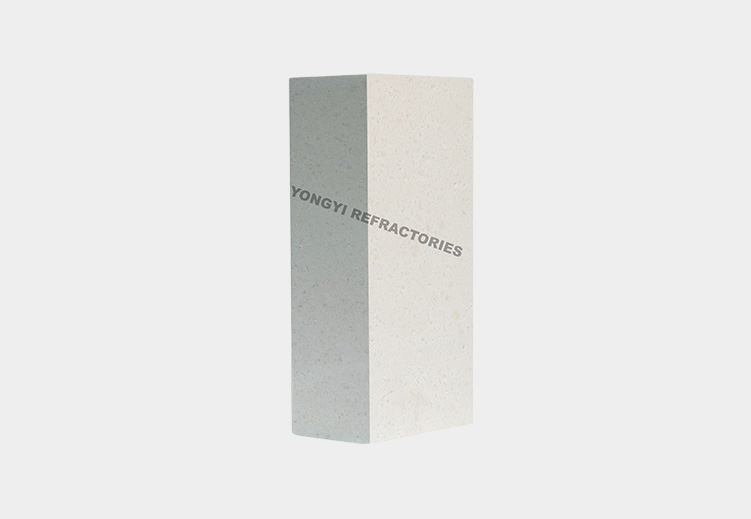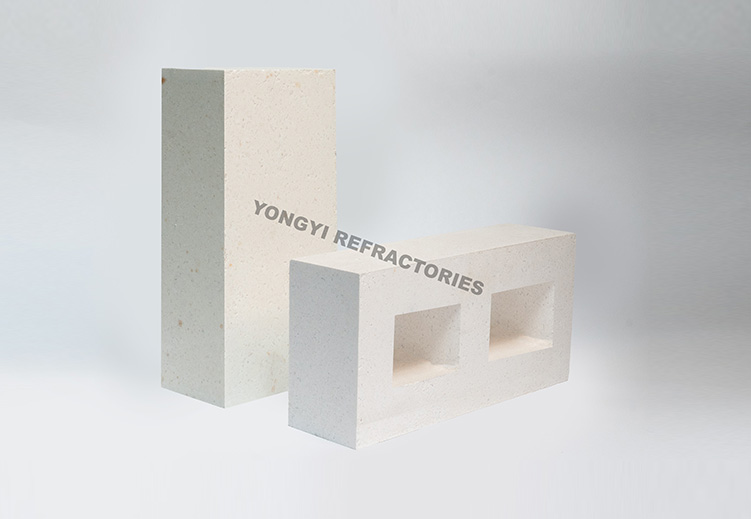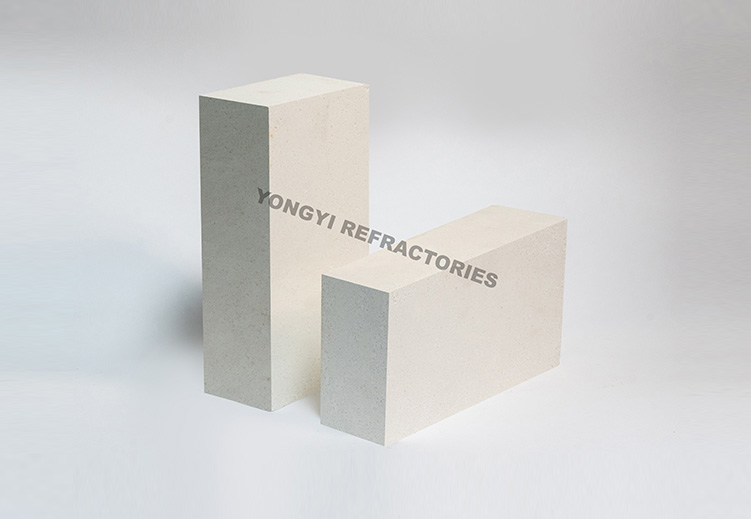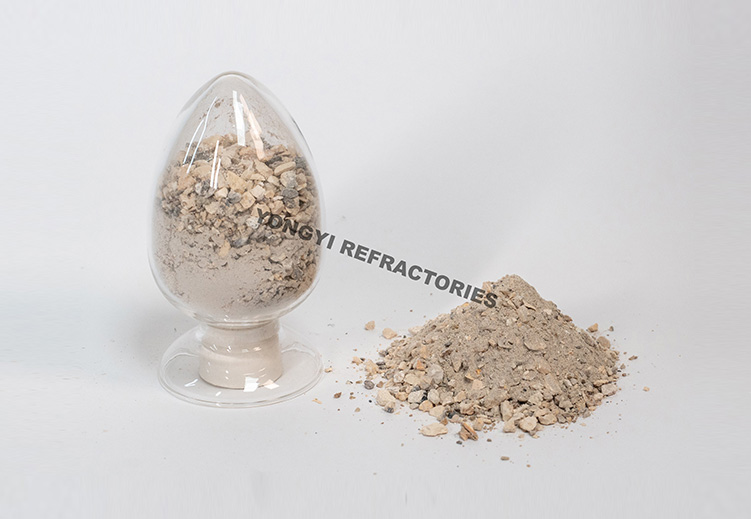
Silica Refractory Mortars
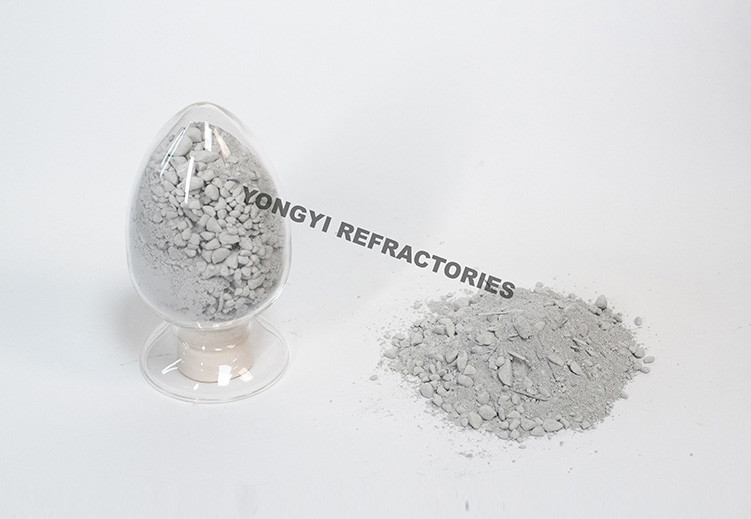
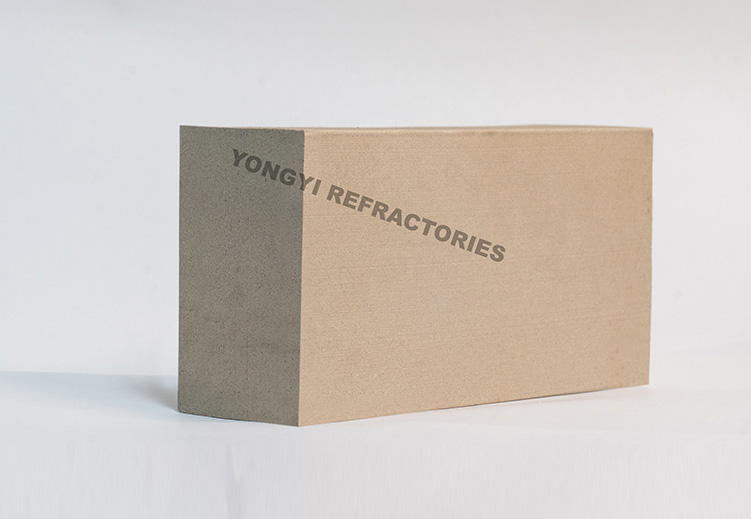
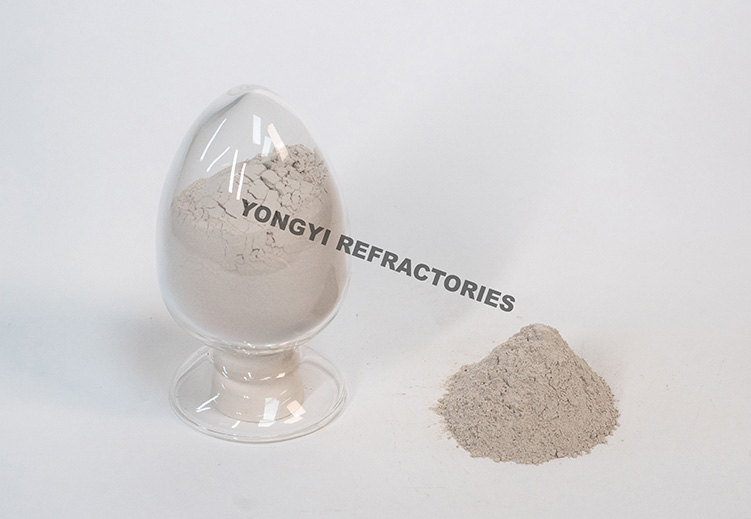
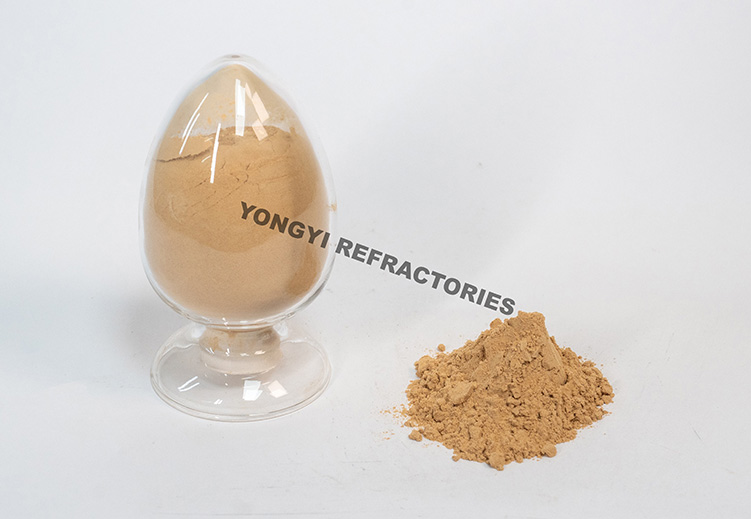
Silica refractory mortars are widely used in high-temperature industrial equipment such as coke ovens, hot blast stoves, glass melting furnaces, and insulating silica bricks. They feature high refractoriness, high refractoriness under load, and reasonable bonding time.
Send Message WhatsApp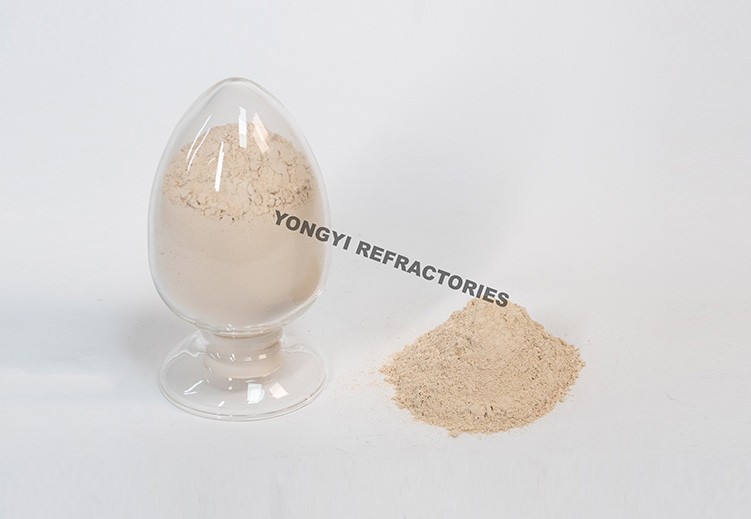
Physical and Chemical Indicators
|
Item |
GNR94 |
GNJ94 |
GNB94 |
GNB96 |
|
|
SiO₂ (%) |
≥ 94 |
≥ 94 |
≥ 94 |
≥ 96 |
|
|
Al₂O₃ (%) |
/ |
/ |
≤ 1 |
≤ 0.6 |
|
|
Fe₂O₃ (%) |
≤ 1.0 |
/ |
≤ 1.0 |
≤ 0.7 |
|
|
Refractoriness (℃) |
≥ 1680 |
≥ 1660 |
≥ 1700 |
≥ 1720 |
|
|
Cold Bending Bonding Strength (MPa) |
Dried at 110℃ |
≥ 1.0 |
≥ 1.0 |
≥ 0.8 |
≥ 0.8 |
|
Cold Bending Bonding Strength (MPa) |
1400℃×3h |
≥ 2.0 |
≥ 2.0 |
≥ 0.8 |
≥ 0.5 |
|
Refractoriness Under Load T2 (0.2MPa, ℃) |
≥ 1580 |
≥ 1550 |
≥ 1600 |
≥ 1620 |
|
|
Bonding Time (min) |
1~2 |
1~2 |
2~3 |
2~3 |
|
|
Particle Size (%) |
< 2mm |
100 |
|||
|
Particle Size (%) |
> 1mm |
≤ 1 |
≤ 3 |
≤ 2 |
≤ 2 |
|
Particle Size (%) |
< 0.074mm |
≥ 60 |
50~70 |
≥ 60 |
≥ 60 |
Alumina Silicate Refractory Mortars
Alumina silicate refractory mortars feature high bonding strength, stable overall masonry structure, good gas tightness, good chemical stability, and a long service life. They have excellent workability during use and small shrinkage after firing.
Send Message WhatsAppPhysical and Chemical Indicators
|
Item |
LN65 |
LN75 |
LN65P |
LN75P |
GN85P |
GN90P |
|
|
Al₂O₃ (%) |
≥ 65 |
≥ 75 |
≥ 65 |
≥ 75 |
≥ 85 |
≥ 90 |
|
|
Refractoriness (℃) |
≥ 1760 |
≥ 1780 |
≥ 1780 |
≥ 1780 |
≥ 1780 |
≥ 1800 |
|
|
Cold Bending Bonding Strength (MPa) |
Dried at 110℃ |
≥ 1 |
≥ 1 |
≥ 2 |
≥ 2 |
≥ 2 |
≥ 2 |
|
Cold Bending Bonding Strength (MPa) |
1400℃×3h |
≥ 4 |
≥ 4 |
≥ 6 |
≥ 6 |
/ |
/ |
|
Cold Bending Bonding Strength (MPa) |
1500℃×3h |
/ |
/ |
/ |
/ |
≥ 6 |
≥ 6 |
|
Refractoriness Under Load T2 (0.2MPa, ℃) |
/ |
/ |
≥ 1400 |
≥ 1600 |
≥ 1650 |
||
|
Permanent Linear Change (%) |
1400℃×3h |
-5~+1 |
/ |
||||
|
Permanent Linear Change (%) |
1500℃×3h |
/ |
-5~+1 |
||||
|
Bonding Time (min) |
1~3 |
||||||
|
Particle Size (%) |
< 1mm |
100 |
|||||
|
Particle Size (%) |
> 0.5mm |
≤ 2 |
|||||
|
Particle Size (%) |
< 0.074mm |
≥ 50 |
≥ 40 |
||||
Basic Refractory Mortars
Basic refractory mortars use magnesia or a combination of magnesia and calcia as main components. They feature high refractoriness, strong resistance to alkaline slag, high bonding strength, and strong sealing performance.
Send Message WhatsAppPhysical and Chemical Indicators
|
Item |
MN91 |
MN95 |
MN97 |
MLN70 |
MLN80 |
|
|
MgO (%) |
≥ 91 |
≥ 95 |
≥ 97 |
≥ 70 |
≥ 80 |
|
|
Al₂O₃ (%) |
/ |
8~20 |
5~10 |
|||
|
Cold Bending Bonding Strength (MPa) |
Dried at 110℃ |
≥ 1.5 |
||||
|
Cold Bending Bonding Strength (MPa) |
1500℃×3h |
≥ 3.0 |
||||
|
Permanent Linear Change (%) at 1500℃×3h |
-4~+1 |
-4~+1 |
||||
|
Bonding Time (min) |
1~3 |
|||||
|
Particle Size (%) |
< 1mm |
100 |
||||
|
Particle Size (%) |
> 0.5mm |
≤ 2 |
||||
|
Particle Size (%) |
< 0.074mm |
≥ 60 |
||||
Silicon Carbide and Carbonaceous Refractory Mortars
In addition to the high refractoriness and strong adhesiveness that general refractory mortars should possess, silicon carbide refractory mortars also have relatively good volume stability, good resistance to alkali corrosion, good thermal shock resistance, and low thermal expansion.
Send Message WhatsAppPhysical and Chemical Indicators
|
Item |
SCN |
TN-1 |
TN-2 |
TN-3 |
|
|
SiC (%) |
≥ 85 |
/ |
/ |
/ |
|
|
Fixed Carbon (%) |
/ |
≥ 50 |
≥ 55 |
≥ 58 |
|
|
Ash Content (%) |
/ |
≤ 7 |
≤ 5 |
≤ 2 |
|
|
Volatile Matter (%) |
/ |
≤ 43 |
≤ 40 |
≤ 40 |
|
|
Bending Bonding Strength (MPa) |
200℃×24h |
≥ 2 (Dried at 110℃×12h) |
/ |
8 |
8 |
|
Bending Bonding Strength (MPa) |
600℃×3h |
≥ 9 (1400℃×3h) |
/ |
1 |
2.5 |
|
Bonding Time (min) |
1~3 |
/ |
/ |
/ |
|
|
Bulk Density (g/cm³) |
≥ 1.7 |
/ |
/ |
/ |
|
|
Extrusion Joint (mm) |
/ |
≤ 1 |
≤ 1 |
≤ 1 |
|