Ceramic Grinding Balls
Ceramic grinding media primarily consist of Alumina and Zirconia balls. They are widely used in ball mills and attritor mills, especially suited for industries requiring high purity and zero metal contamination.
Send Message WhatsApp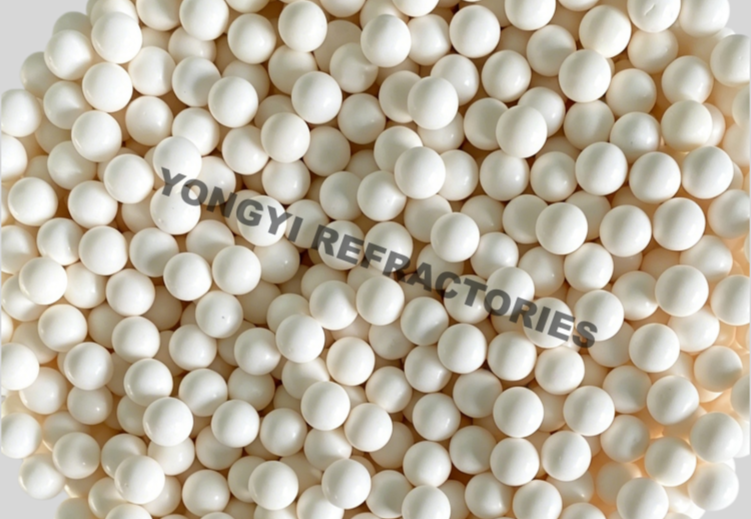
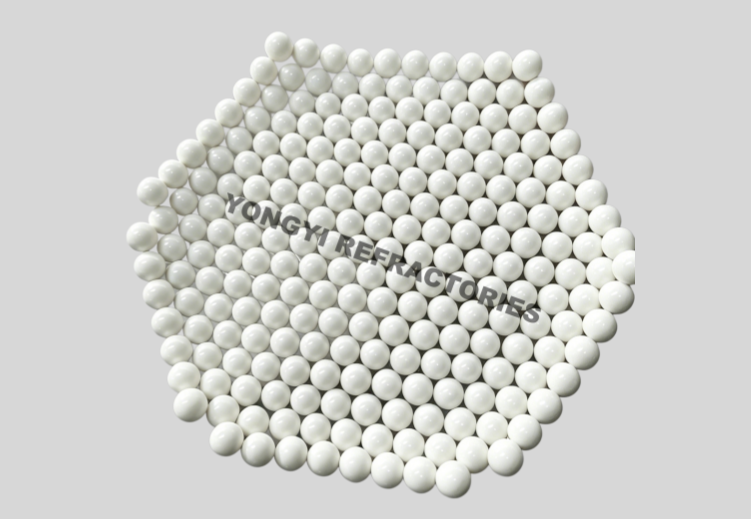
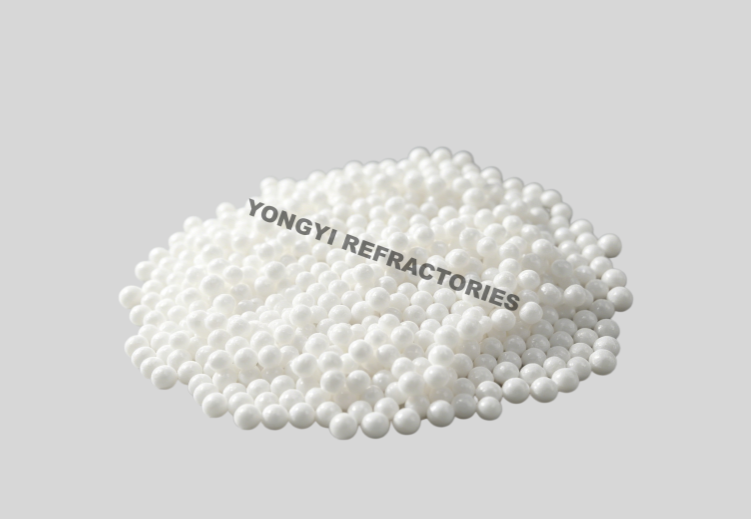
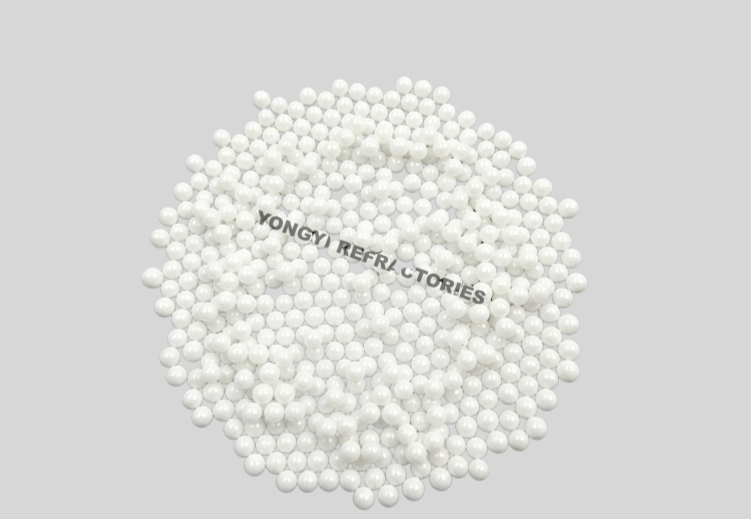
Physical and Chemical Indicators
Alumina Grinding Balls
|
Item |
Mid-Alumina (65-70%) |
92% High Alumina |
95% High Alumina |
99% High Pure |
|
Bulk Density (g/cm³) |
≥ 2.93 |
≥ 3.60 |
≥ 3.68 |
≥ 3.80 |
|
Mohs Hardness |
8 |
9 |
9 |
9 |
|
Abrasion Loss (%) |
≤ 0.01 |
≤ 0.01 |
≤ 0.01 |
Very Low |
Zirconia Grinding Balls (YSZ)
|
Item |
Parameters |
|
Composition (wt%) |
94.6% ZrO2 + 5.2-5.4% Y2O3 |
|
Bulk Density (g/cm³) |
≥ 6.0 |
|
Fracture Toughness (MPa·m¹/²) |
7 - 10 |
|
Wear Rate |
< 20 ppm |
Steel Grinding Balls
Steel grinding media rely on powerful impact forces and high hardness. They are suitable for heavy industrial grinding where iron contamination is acceptable.
Send Message WhatsApp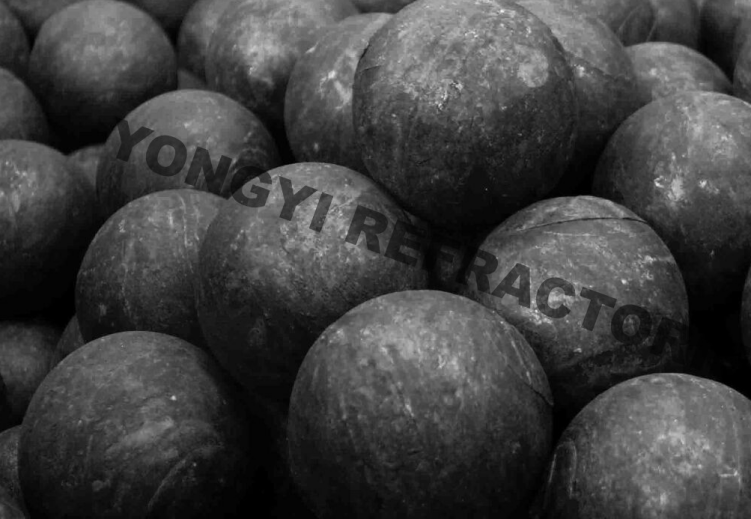
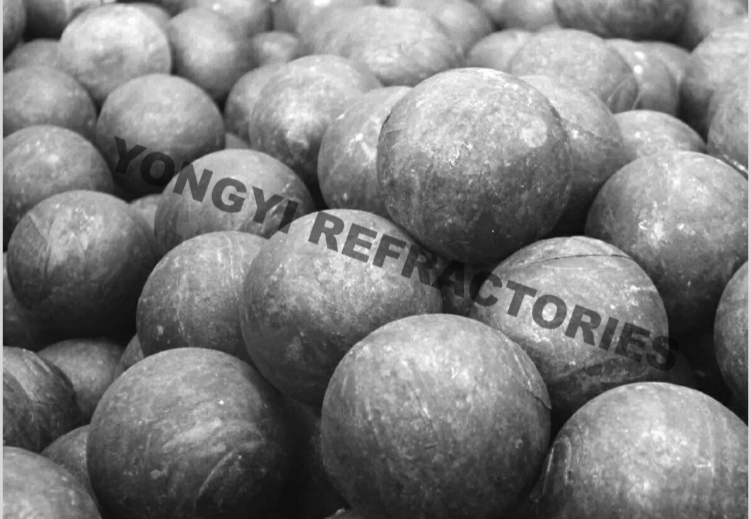
Physical and Chemical Indicators
Forged Steel Balls
|
Item |
Parameters |
|
Chemical Composition |
C: 0.60-1.00%, Cr: 0.20-1.00%, Mn: 0.50-1.50% |
|
Hardness (HRC) |
58 - 65 |
|
Density (g/cm³) |
7.5 - 7.8 |
High Chrome Cast Iron Balls
|
Item |
Parameters (High Chrome Standard) |
|
Chromium Content (Cr) |
≥ 10.0% - 30.0% |
|
Carbon Content (C) |
1.80% - 3.30% |
|
Hardness (HRC) |
≥ 58 |
|
Impact Value (AK) |
≥ 3.0 J/cm² |